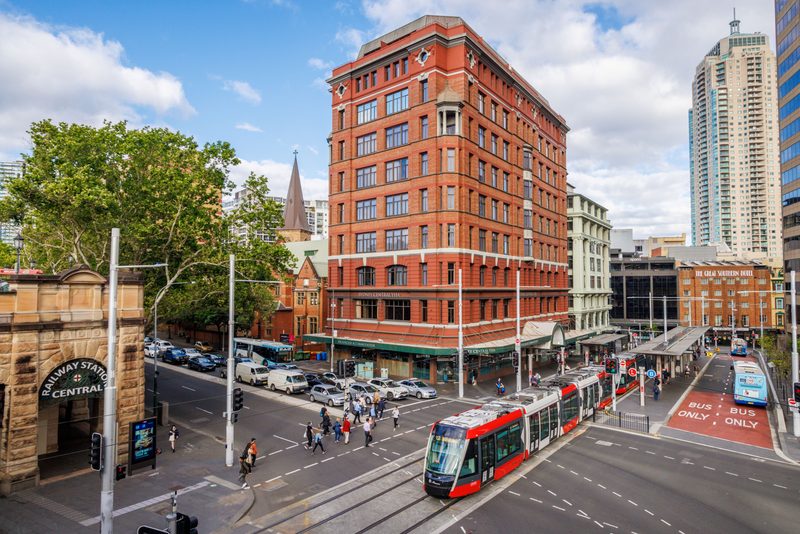

Things to Do in Australia in December
December weather, activities, events & insider tips
Peak Season · Premium Pricing
December Weather in Australia
Temperature, rainfall and humidity at a glance
78°F (25°C)
High Temp
65°F (18°C)
Low Temp
2.9 inches (74 mm)
Rainfall
70%
Humidity
⚠ The UV blast is brutal. Coastal and inland Australia both hit 11 to 13 on the index, the top of the scale. Step outside unprotected at noon and your skin burns in under ten minutes. SPF 50+, long sleeves, and shade between 10 AM and 3 PM are not advice. They are survival rules.
⚠ Bushfire season is alive in December across New South Wales, Victoria, and South Australia. Check the Rural Fire Service or CFA danger rating each morning before you head into the trees. On Total Fire Ban days some national parks lock their gates and every open-flame barbecue becomes illegal.
⚠ North of Bundaberg, Queensland, the water hosts box jellyfish and Irukandji from October through May. Swimming without a stinger suit outside patrolled nets is a direct ticket to the ICU. Pull on full-body lycra or stay inside the stinger nets. No exceptions.
⚠ Cyclone season runs November to April across northern Australia. Early December is quieter than the January to March peak. Yet the Bureau of Meteorology still posts warnings for the Top End, Far North Queensland, and the Kimberley. Check the forecast daily and have a backup plan.
Is December Right for You?
Weigh the advantages and considerations before booking
Advantages
- + Peak summer daylight stretches past 8:30 PM in Sydney and Melbourne. You get an absurdly long window for coastal walks, evening swims, and outdoor dining that lingers well after sunset. The water temperature along the New South Wales coast finally crosses the 22°C (72°F) threshold. Swimming stops feeling like an act of bravery. It starts feeling like the whole point.
- + December is when Australia's coastline operates at full capacity. The surf lifesaving clubs flag the beaches from early morning. Seasonal ferry routes to harbour islands and offshore snorkelling spots resume daily schedules. The rock pools along Sydney's Bondi to Coogee walk are warm enough to sit in without flinching. The ocean along the Great Ocean Road in Victoria tends to be calmer than winter swells. The clifftop walks become less about bracing against wind. You can see the Twelve Apostles without squinting.
- + Australia's food calendar peaks in December. Mangoes from the Northern Territory and Queensland flood every market stall. Their perfume is strong enough to locate a fruit stand from two aisles away. Sydney rock oysters are at their sweetest and fattest. Cherry season hits full stride in the Yarra Valley and Orange region of New South Wales. The roadside cherry farms let you pick your own by the kilogram. The Christmas prawn tradition means fishmongers stock king prawns, banana prawns, and tiger prawns in quantities you won't see the rest of the year.
- + The cultural calendar is stacked. The Sydney to Hobart Yacht Race launches from Sydney Harbour on Boxing Day. Hundreds of spectator boats jostle for position. The Boxing Day Test at the MCG in Melbourne is cricket as civic religion. 80,000-plus fill the ground on the first day. The New Year's Eve fireworks over Sydney Harbour Bridge are still one of the few global spectacles that lives up to the footage.
Considerations
- − Australian school holidays begin around December 20th. The entire country collectively decamps to the coast. Accommodation along the New South Wales south coast, the Mornington Peninsula in Victoria, and Noosa in Queensland books out weeks ahead. What remains tends to carry peak-season surcharges that would make a European hotelier blush. The two weeks from December 20 to January 3 are the single most expensive window of the Australian travel year. Full stop.
- − The UV index regularly hits 11 or higher across most of coastal Australia in December. This is classified as 'extreme' on the international scale. This is not an abstract number. Unprotected skin can burn in under 10 minutes between 10 AM and 3 PM. The intensity catches even experienced travelers off guard. The ozone layer is thinner over the Southern Hemisphere. The sun angle in Australian summer is as direct as it gets. Sunburn here is fast, aggressive, and can ruin three days of a trip from a single lunchtime oversight.
- − Tropical northern Australia, from Cairns to Darwin and across the Top End, enters full wet season in December. This means daily monsoonal downpours that can dump 50 mm (2 inches) in an hour. Hiking trails close. Marine stingers (box jellyfish and Irukandji) enter the ocean. You need full stinger suits for any swimming. Crocodile activity hits its peak as waterways swell. If the Great Barrier Reef and the Daintree are your primary draw, December is workable but compromised. Visibility on the reef drops. Some outer reef operators reduce schedules. The humidity in Cairns sits around 80% with temperatures pushing 32°C (90°F). The honest call: the reef is better in June through October.
Best Activities in December
Top things to do during your visit
December in Australia arrives with the Southern Hemisphere tilting toward the sun, and the country sheds its cooler months fast. Highs settle around 25°C across much of the southeast, with warm nights hovering near 18°C and rainfall at its lowest for the year. Roughly 74 millimetres spread across ten days makes this one of the driest stretches on the calendar. The air carries weight at 70% humidity. Not oppressive, but present. Eucalyptus oil volatilizes from gum trees, so the bush smells sharper, greener, almost mentholated. Mornings break early. Light floods in before six, and the long evenings stretch past eight-thirty, leaving hours of golden warmth for coastal walks, vineyard terraces, and outdoor dining that would be unthinkable in the June chill. What makes visiting Australia in December distinct from the shoulder months is the collective exhale of an entire country heading into summer holidays. Schools break up in mid-December. By the final week, the rhythm shifts palpably: commuter trains thin out, beach car parks fill before nine, and the smell of charcoal and seared meat drifts from every suburban backyard and public barbecue area. The weather cooperates more reliably than in February or June. December receives roughly half the rainfall of the winter peak. The ocean temperature along the New South Wales and South Australian coasts climbs into swimmable range, a relief after months of wetsuit-only conditions. For travelers arriving from Northern Hemisphere winters, the sensory shock is immediate. The crack of cicadas replaces the silence of bare trees. Warm sandstone radiates heat underfoot. A sky so blue it looks digital. This is also peak season for wildlife encounters across Australia. Kangaroos graze in open paddocks at dawn and dusk. Koalas are active and visible in eucalyptus canopy. The country's notable bat colonies reach their most spectacular numbers as grey-headed flying foxes gather in roosts of tens of thousands. The Blue Mountains west of Sydney, cooler by several degrees than the coast, offer relief from the lowland warmth while delivering some of the most dramatic sandstone escarpment scenery on the continent. South Australia's wine regions hit their pre-harvest stride, vines heavy with fruit, cellar doors pouring the last of the previous vintage alongside experimental small-batch releases. Whether your December draws you to harbour kayaking, mountain railroads, or the quiet ritual of tasting shiraz in a stone-walled shed, Australia in this month delivers on a scale that justifies the long-haul flight.
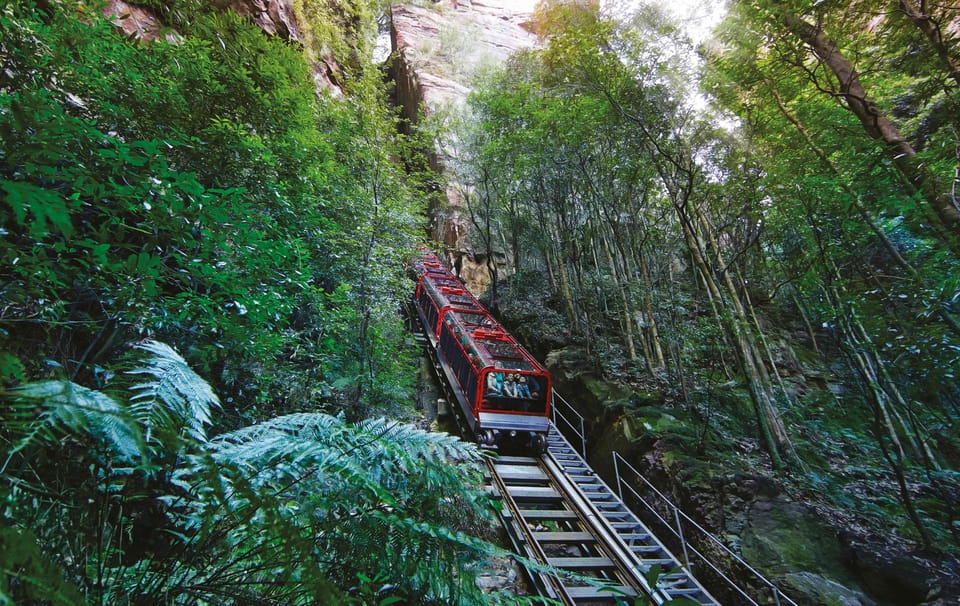
Blue Mountains Adventure: Scenic World, Zoo & Koala Photo
otherYou descend into the Jamison Valley aboard the Scenic Railway, the steepest incline railway in the world. The clatter of steel wheels against the track gives way to the hush of temperate rainforest below, where tree ferns unfurl fronds the size of café umbrellas and the air drops several degrees cooler, heavy with the mineral smell of wet sandstone. Above, the Scenic Skyway glass-floor gondola crosses the valley at canopy height. On a clear December morning, the Three Sisters sandstone formation glows amber against deep green eucalypt canopy that stretches to the horizon.
It is the most efficient way to experience the Blue Mountains' geological spectacle and Australia's well-known wildlife in a single outing, with engineering marvels, the railway, the cableway, the skyway, serving as both transport and attraction.
Insider tip: Board the Scenic Railway in the rear carriage for the steepest recline angle and the least obstructed view downward through the glass roof. The front fills first with tour groups. The back seats deliver the vertigo.
This month: December's warm, relatively dry conditions, averaging 25°C with lower rainfall than the autumn or winter months, mean the valley views are typically clear rather than fog-obscured, and the boardwalk through the Jurassic-era rainforest floor is less muddy than during the wetter stretches of February or June.

Kayak to Goat Island in Sydney Harbour with Local
adventureYou get salt spray, the slap of small harbour chop against your hull, and a vantage point that no ferry deck or shoreline walk can replicate. Your guide launches from a sheltered cove and paddles you past sandstone headlands where fig trees grip the rock with exposed roots, through the wake of passing water taxis, and onto Goat Island itself, a colonial-era gunpowder magazine and convict quarantine station sitting in the middle of one of the world's most photographed waterways. From the island's stone walls you look back at the Harbour Bridge and the Opera House sails catching afternoon light. The whole tableau is framed not by a tourist railing but by the wild fennel and native grasses growing through the old fortifications.
It is the only way to reach Goat Island without a licensed vessel, and the kayak approach transforms Sydney Harbour from a backdrop into something you physically move through, tasting salt on your lips, feeling the tide pull beneath you.
Insider tip: Request the morning departure rather than the afternoon slot. The harbour surface is glassier before the westerly sea breeze fills in around midday, and the morning light on the Opera House tiles is warmer and more photogenic from the water.
This month: December's water temperature in Sydney Harbour reaches its warmest of the year, making capsizing a mild inconvenience rather than a cold shock, and the extended daylight means morning paddles launch in full sun rather than pre-dawn grey.
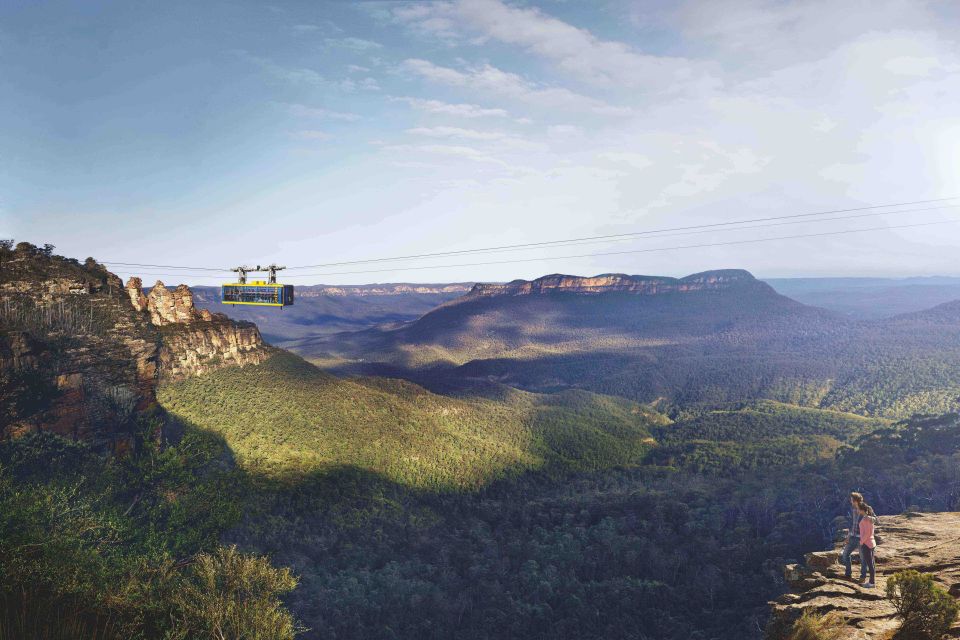
Blue Mountains, Scenic World, Zoo, & Ferry Ride
otherThis Blue Mountains day trip pairs the Scenic World rides with a wildlife park visit and finishes with a ferry ride back toward Sydney along the Parramatta River, stitching together mountain escarpments, Australian fauna, and harbour waterway in a single arc. The ferry leg is the quiet revelation. After a day of engineered thrills and curated animal encounters, you settle onto the open rear deck as the boat threads past mangrove-fringed inlets and riverside suburbs where cockatoos wheel in raucous white clouds against the late-afternoon sky. The wildlife park component puts you face-to-face with wombats whose coarse fur feels like a doormat and kangaroos who will eat pellets from a flat palm with surprising gentleness, their breath warm and grassy against your fingers.
The ferry return differentiates this from other Blue Mountains packages, turning the commute into its own scenic experience and delivering you back to Sydney's waterfront rather than a coach bay in the suburbs.
Insider tip: Sit on the left side of the ferry, facing forward, for the best views of the Sydney Olympic Park precinct and the harbour bridge approach. The right side faces residential shoreline for much of the journey.

Flying Fox Experience, Thousands of Australia's Largest Bat
guided_experienceDecember is when the colony swells to peak numbers. Thousands of animals hang in dense clusters from riverside trees, their leathery wings folded like dark umbrellas, the air beneath the roost thick with a sharp, musky odour that announces the colony before you see it. As dusk approaches, the first bats unfurl, stretch wingspans that reach a metre across, and launch into the violet sky in a stream that can take twenty minutes to fully clear the roost. The sound is extraordinary. A constant chatter of high-pitched squabbling overlaid with the soft whoosh of thousands of membrane wings displacing air, nothing like the silent flight of birds.
Grey-headed flying foxes are a vulnerable species endemic to Australia, and this guided encounter provides proximity and interpretation that self-guided visitors cannot replicate. The guides know exactly where the colony roosts and when the evening departure begins.
Insider tip: Wear a hat with a brim and a shirt you do not mind getting marked. The bats occasionally drop guano or partially chewed fig pulp, and it stains. Bring binoculars for close-up views of mothers carrying pups. In December, many females are nursing young clinging to their chests.
This month: December coincides with the breeding season for grey-headed flying foxes, so the colony is at or near its annual maximum size, with nursing mothers and juveniles present alongside adults. This seasonal window makes the roost significantly more impressive than a winter visit when numbers are lower and the colony is more dispersed.

Private Wine Tours McLaren Vale or Adelaide Hills
foodA private wine tour through McLaren Vale or the Adelaide Hills puts you in the passenger seat of a vehicle winding through some of Australia's most storied wine country, with a designated driver who doubles as a regional interpreter. McLaren Vale sits on the Fleurieu Peninsula south of Adelaide, where the vines run almost to the sea and the maritime influence keeps December temperatures a few degrees cooler than the city. The breeze off Gulf St Vincent carries salt and dried grass, and the light has a particular coastal clarity that makes the green of shiraz canopy almost fluorescent against terracotta soil. The Adelaide Hills alternative trades coast for altitude. Winding roads through towering stringybark forest open onto clearings where cellar doors occupy converted dairies and stone farmhouses, and the air smells of pine resin and fermenting grape must.
The private format means the itinerary bends to your palate. If a cellar-door conversation about single-vineyard grenache runs long, no bus schedule forces you away, and the guide selects producers by quality rather than commission arrangement.
Insider tip: Ask the guide to include at least one appointment-only producer who does not have a public cellar door. Both McLaren Vale and the Adelaide Hills have tiny-production winemakers whose best allocations never reach retail shelves, and the private-tour format is often the only way a visitor can access them.
This month: December in McLaren Vale and the Adelaide Hills falls in the pre-harvest window when vines are in full canopy and grapes are developing on the vine but not yet picked. Winemakers are more relaxed and available for conversation than they will be during the hectic January-March vintage.

Blue Mountains Private Tour with Kangaroo and Koala Experience
private_tourA private tour of the Blue Mountains with a dedicated kangaroo and koala experience strips away the conveyor-belt pacing of group excursions and replaces it with unhurried proximity to both landscape and wildlife. Your guide drives you to lookout points where the eucalyptus oil haze, the source of the Blue Mountains' name, gives the valley a soft cerulean tint that deepens with distance, layer upon layer of ridgeline fading into progressively bluer silhouettes until the furthest ranges dissolve into sky. The wildlife component takes you to a sanctuary where koalas doze in the forks of eucalyptus branches close enough to hear them chewing, a rhythmic, wet crunch, and kangaroos rest in shaded clearings, their ears swiveling like satellite dishes tracking every footfall on the gravel path.
The private format means the guide calibrates the day to your interests. More time at a particular lookout if the light is exceptional. A detour to a less-visited waterfall if crowds are heavy at the popular cascades. Wildlife encounters without the time pressure of a forty-seat coach schedule.
Insider tip: Ask your guide to take the Bells Line of Road approach rather than the Great Western Highway. It is longer but far more scenic, passing through orchard country and the gardens at Mount Tomah before dropping into the upper Blue Mountains with almost no traffic and views the main highway does not offer.
This month: The long December daylight, sunrise before six, sunset after eight, gives a private tour substantially more usable time than the same trip in winter, when short days compress the itinerary and force earlier departures from the mountains.
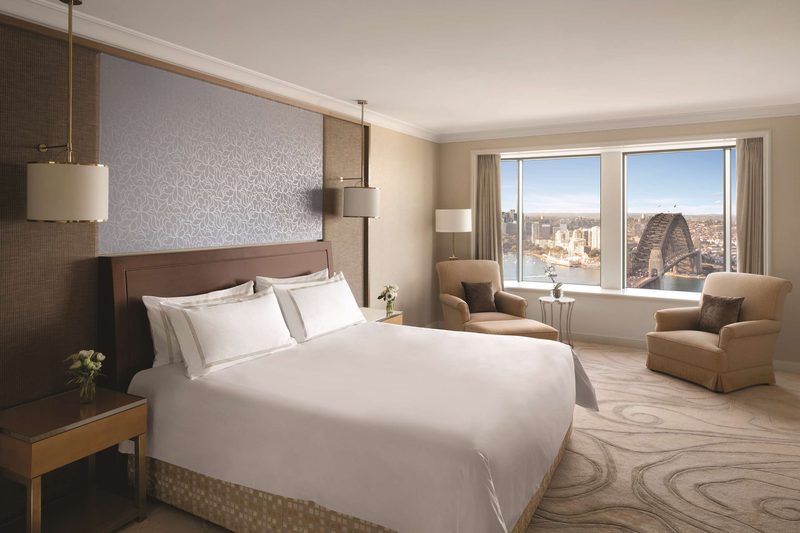
Where to Stay in Australia in December
Hand-picked hotels across price tiers for December travellers.
Public Holidays in December
Dates that affect opening hours, transport and crowds
Christmas Day
Observed nationwide as a public holiday.
Boxing Day
Known in English as St. Stephen's Day. Observed nationwide as a public holiday.
Christmas Day
Observed nationwide as a public holiday.
Boxing Day
Known in English as St. Stephen's Day. Observed nationwide as a public holiday.
Christmas Day
Observed nationwide as a public holiday.
Boxing Day
Known in English as St. Stephen's Day. Observed nationwide as a public holiday.
Packing Checklist
Bookmark this page — your progress is saved between visits
Need the full list with shopping links?
Climate-specific gear, brand recommendations, and what to leave at home.
View Australia Packing List →Essential Tips
Insider knowledge and common pitfalls to avoid
Insider Knowledge
December flips Northern Hemisphere logic. Christmas lands mid-summer. Lunch is cold prawns, pavlova, and a beach swim. Coastal towns shut: shops close, restaurants cut hours, the nation agrees the beach is the only sensible address. Plan groceries and bookings around this. Christmas Day and Boxing Day are silent in cities, chaotic at any beach within an hour's drive.
Split December between the southern coast and one inland pocket. New South Wales, Victoria, South Australia, Tasmania, and Western Australia's southwest give reliable summer weather without steam-room humidity. Skip the tropical north unless you enjoy breathing through a warm, damp towel. Cairns and Darwin in December flood streets within minutes and post crocodile warnings at every waterway. They are not decorative.
Australian beach culture has one rule visitors miss. Swim between the red and yellow flags. Always. Volunteers patrol that zone. Rips outside the flags drown most tourist swimmers. Caught in a rip? Swim parallel to shore, not against it. Australians learn this in kindergarten. Visitors from calm Mediterranean bays rarely know the reflex.
Melbourne's laneways and rooftop bars peak in December. Yet locals head to evening cricket at suburban grounds or outdoor cinema in the parks. Moonlight Cinema in the Royal Botanic Gardens runs December through February. Lie on a blanket under eucalypts, watch the sky darken at 9 PM. Bring wine and cheese. No one stops you.
Avoid These Mistakes
Do not underestimate distances. Australia mirrors the contiguous United States in size. First-timers plot Sydney-Melbourne-Cairns in one week as if these are neighbouring suburbs. Sydney to Melbourne is 880 km (547 miles), nine hours without stops. Cairns to Sydney is 2,500 km (1,553 miles). Two weeks? Pick two regions. Three if you fly.
Do not treat the sun as a European summer sun. It is not. December UV in Australia doubles Northern Europe or the northeastern United States at midsummer. UK and northern European visitors burn fastest. You can burn through cloud. You can burn in shade near water or sand. Australians invented Slip Slop Slap in the 1980s because skin cancer rates here top the world. Take it seriously from day one.
Do not book late for December 20 to January 5. Australians take summer holidays seriously. Coastal towns from Byron Bay to the Mornington Peninsula and across to Margaret River sell out months ahead for Christmas and New Year. Miss October and you fight for leftovers at triple price. Early December before the 20th is calmer, cheaper, and the weather is identical.
Ready to plan your trip to Australia?
Now that you've got the research covered, here's where to go next.
Explore More Activities in Australia
Didn't see anything interesting yet?
Browse Viator's full catalog of tours, day trips, food experiences, and private guides in Australia.
See All Australia Tours on Viator