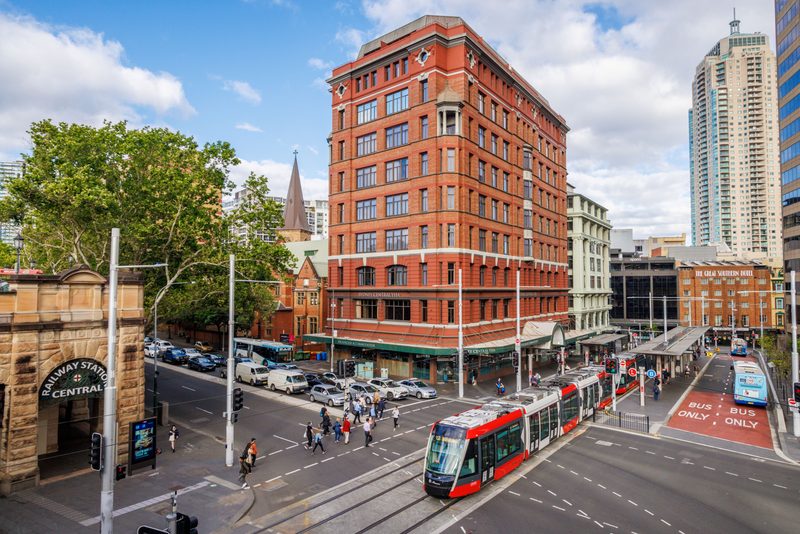

Things to Do in Australia in January
January weather, activities, events & insider tips
Peak Season · Premium Pricing
January Weather in Australia
Temperature, rainfall and humidity at a glance
80°F (27°C)
High Temp
68°F (20°C)
Low Temp
3.6 inches (91 mm)
Rainfall
70%
Humidity
⚠ Bushfire risk is elevated across southeastern Australia in January, in Victoria, New South Wales, and South Australia. Monitor fire danger ratings through the relevant state fire authority apps, avoid hiking on days rated Extreme or Catastrophic, and have a flexible plan if smoke affects air quality in cities. The smell of eucalyptus smoke carries hundreds of kilometres and can turn Sydney or Melbourne hazy for days.
⚠ Extreme heat events with temperatures above 40°C (104°F) occur multiple times most Januarys in Melbourne, Adelaide, and inland New South Wales. These are not merely uncomfortable: heatstroke is a medical risk, for visitors not acclimatised. Stay indoors during the hottest hours, drink water continuously, and take any heat health warnings from local authorities seriously.
⚠ Tropical cyclone season runs from November through April in northern Australia. January is within the peak window for cyclones affecting the Queensland coast, Northern Territory, and Western Australia's Kimberley and Pilbara regions. Monitor the Bureau of Meteorology for cyclone watches if travelling north of the Tropic of Capricorn.
⚠ Marine stingers including box jellyfish and Irukandji are present in tropical coastal waters north of Bundaberg (roughly 25 degrees south latitude) from October through May. Swim only at beaches with stinger nets or wear a full-body lycra stinger suit. Stings from Irukandji in particular require immediate medical attention. Take this seriously.
Is January Right for You?
Weigh the advantages and considerations before booking
Advantages
- + Peak summer delivers the longest daylight hours of the year. Sunrise hits around 5:30 AM. Sunset stretches past 8:30 PM in Sydney. That gives you nearly fifteen hours to work with. Every coastal city fires up its outdoor culture: harbour swims, rooftop bars, dawn surf sessions, and evening cricket matches that run until the sky turns copper. January delivers the beach-and-barbecue Australia you came for.
- + The Australian Open takes over Melbourne from mid-to-late January. The city transforms around it. Even without Rod Laver Arena tickets, the outer courts at Melbourne Park hold the real atmosphere. You sit close enough to hear racket strings snap. The crowd is looser. You can wander between matches with a cold drink in hand. The tournament spills into the city itself. Live screenings fill Federation Square. Late-night restaurants along Lygon Street pack out well past midnight.
- + Tasmania hits its sweet spot in January. Daytime temperatures hover around 22°C (72°F). The clarity of light makes the rest of the continent feel overexposed. While Sydney and Melbourne bake through heatwaves, Hobart and the Freycinet Peninsula stay mild enough for serious hiking. Wineglass Bay, seen from the saddle lookout after a forty-minute climb through eucalyptus scrub, is the kind of bay that makes you understand why people rearrange their lives to live here.
- + Sydney Festival runs the entire month. Two hundred-odd performances scatter across the city, from warehouses in Carriageworks to stages on Cockatoo Island. The free outdoor events along the harbour foreshore on warm evenings, with the Opera House lit up behind the crowd, are hard to replicate anywhere else. January also brings the Big Bash League cricket into its loudest stretch. Catching a T20 match at the SCG or the Gabba on a summer night, with the thwack of willow on leather carrying across floodlit grass, remains one of the most accessible ways into Australian sporting culture.
Considerations
- − This is peak season in every sense. Australia prices itself without apology. Accommodation along the coast from Byron Bay down through Sydney to the Great Ocean Road books out months ahead. January rates can run double what you would pay in May or September. Domestic flights between Sydney, Melbourne, and Cairns fill up with Australians on their own summer holidays. Book by October. After that, you are competing for leftovers.
- − The heat is not abstract. Melbourne regularly spikes past 40°C (104°F) in January. When it does, the city shuts down in a specific way. Asphalt radiates through your shoe soles. The Yarra smells of baked mud. Locals retreat indoors until the southerly change blows through around 6 PM. In the outback and the Red Centre, midday temperatures can hit 45°C (113°F). This is not uncomfortable. It is dangerous. Plan around the heat. Or it will plan for you.
- − Northern Australia, from Cairns across the Top End to Broome, sits in its wet season. Cyclone risk is real. Afternoon downpours in Far North Queensland are torrential rather than scenic. Some roads in Kakadu and the Kimberley close entirely. Box jellyfish and Irukandji populate tropical waters from October through April. Ocean swimming north of the Tropic of Capricorn requires stinger suits or enclosed nets. The reef is still diveable. Visibility drops from wet-season runoff. Some island resorts scale back operations.
Best Activities in January
Top things to do during your visit
Sydney Harbour Kayaking and Coastal Walks
January mornings on Sydney Harbour, before the northwest wind picks up around 11 AM, are glassy and still. Paddling from a launch point near Mosman or Manly lets you slide past sandstone headlands where the bush drops straight into salt water. Kookaburras hammer away in the gums above. The Opera House floats white against the early light across the harbour. Water temperature sits around 23°C (73°F). Capsizing is refreshing rather than a crisis. Start the Bondi to Coogee coastal walk by 7 AM in January. The cliff path is still in shade. The ocean below is turquoise rather than the glaring silver it becomes by noon. By mid-morning, the sandstone radiates stored heat. The walk becomes an endurance exercise rather than a pleasure.
Booking Tip: Book guided kayak tours at least a week ahead in January. Morning time slots fill fast during peak season. Look for operators who launch early, ideally by 7 AM. Check that the tour includes Goat Island or the harbour islands rather than just hugging the shoreline. See current options in the booking section below.
Great Barrier Reef Diving and Snorkeling from Cairns
January on the reef is a trade-off. Wet season means occasional afternoon squalls. Reduced visibility near shore comes from river runoff. Water temperatures push 29°C (84°F), which is bathwater-warm but also the zone where coral bleaching risk climbs. That said, the outer reef, around Agincourt Ribbon Reefs and Osprey Reef, still delivers. Visibility out there runs 15-20 metres (50-65 feet) on good days. The water is calm enough between storm cells. The marine life is arguably more active in the warmer months: giant clams gape open in the shallows, green sea turtles cruise the drop-offs, and the soft corals pulse in colours that feel digitally enhanced but are not. Book outer reef trips. Inner reef day runs bear the brunt of coastal runoff.
Booking Tip: Book outer reef liveaboard or day trips two to three weeks ahead. Prioritise operators running to the outer ribbon reefs rather than inner reef pontoons. Confirm the trip includes snorkelling at multiple sites. Seasickness medication is worth having on hand. The Coral Sea can chop up between squalls. Check current reef tours in the booking section below.
Tasmania Wilderness Hiking and Bay of Fires
January flips the script. While the mainland bakes, Tasmania feels like another country. The Freycinet Peninsula, three hours east of Hobart, dishes up coastal bush hikes where eucalyptus and sea salt share the air, and Bay of Fires granite blushes paprika from centuries-old lichen. The water is cold, properly cold at 17°C (63°F), yet on weekdays the beaches stay empty enough for a solo swim. The Overland Track through Cradle Mountain-Lake St Clair National Park is easiest now, with long daylight and 18-22°C (64-72°F) temperatures, though afternoon storms sprint across the plateau, so pack waterproof layers regardless. MONA, Hobart's Museum of Old and New Art, tunnels into sandstone cliffs above the Derwent and deserves a full day. January crowds stay lighter than you'd expect; most Aussies chase surf, not art.
Booking Tip: The Overland Track needs a Parks pass and months-ahead booking for January. Walker numbers are capped daily. For Bay of Fires and Freycinet, rent a car from Hobart or Launceston. It beats any guided tour for freedom. See current Tasmania experiences in the booking section below.
Gold Coast and Byron Bay Surf and Hinterland
Gold Coast water hits its annual peak in January, around 25°C (77°F), and summer swells serve long, rolling waves at Snapper Rocks, Burleigh Heads, and Currumbin Alley. Burleigh's white sand squeaks underfoot and burns by midday. But the Norfolk pines toss just enough shade. Beginners score gentle rollers and 6 AM lessons at Coolangatta. Most visitors skip the hinterland thirty minutes inland. The Springbrook Plateau perches at 900 metres (2,950 feet), where temps drop 8-10°C (14-18°F) and subtropical rainforest drips even on dry days. After dark, the glow-worm cave at Natural Bridge lights its ceiling blue-green like a pocket galaxy, absurdly otherworldly so close to the high-rises.
Booking Tip: Book surf lessons and hinterland tours three to five days ahead in January. Evening glow-worm walks fill fast. Pick a weeknight over Saturday. Browse current Gold Coast tours in the booking section below.
Margaret River Wine Region and Coastal Trails
Margaret River in January runs hot and dry, around 30°C (86°F), with a crisp inland heat nothing like east-coast humidity. The Indian Ocean here is a saturated, photo-ready blue, while Ngilgi and Lake Cave limestone caverns hold a steady 17°C (63°F) underground, perfect refuge at midday. Vines are in full leaf, Cabernet Sauvignon berries swell, and cellar doors keep long summer hours. The Cape to Cape Track stretches 135 km (84 miles) from Cape Naturaliste to Cape Leeuwin through 60-metre (197-foot) karri forest where light slants green. You needn't walk it all. The Wilyabrup Cliffs to Moses Rock section, 8 km (5 miles), delivers the coast's best drama in a half-day.
Booking Tip: Book wine tours a week ahead in January. Choose operators hitting smaller cellar doors, not the big names where tasting rooms pack tight. Driving yourself? Five or six cellar doors in a day is easy. Check current Margaret River options in the booking section below.
Blue Mountains Canyoning and Bushwalking from Sydney
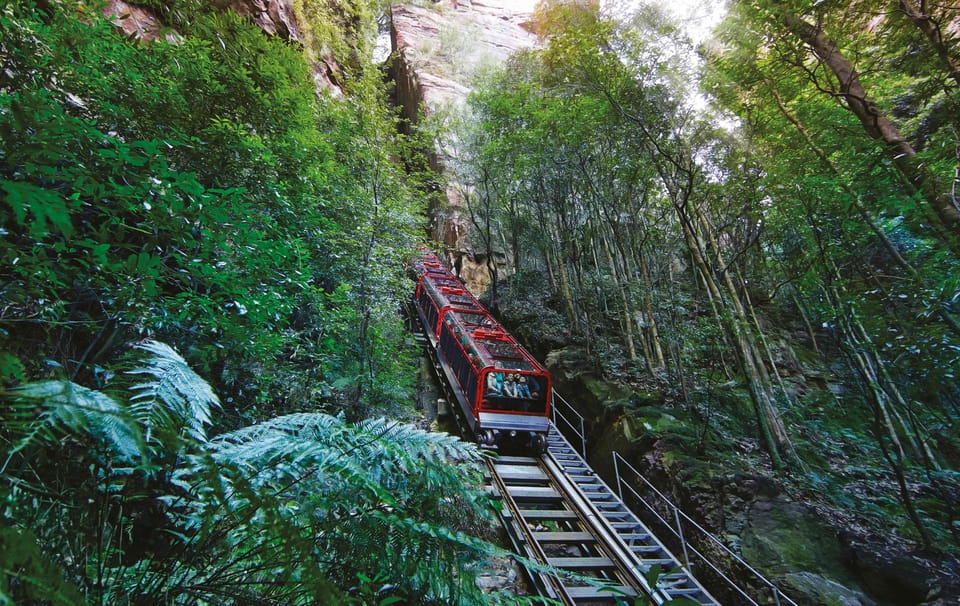
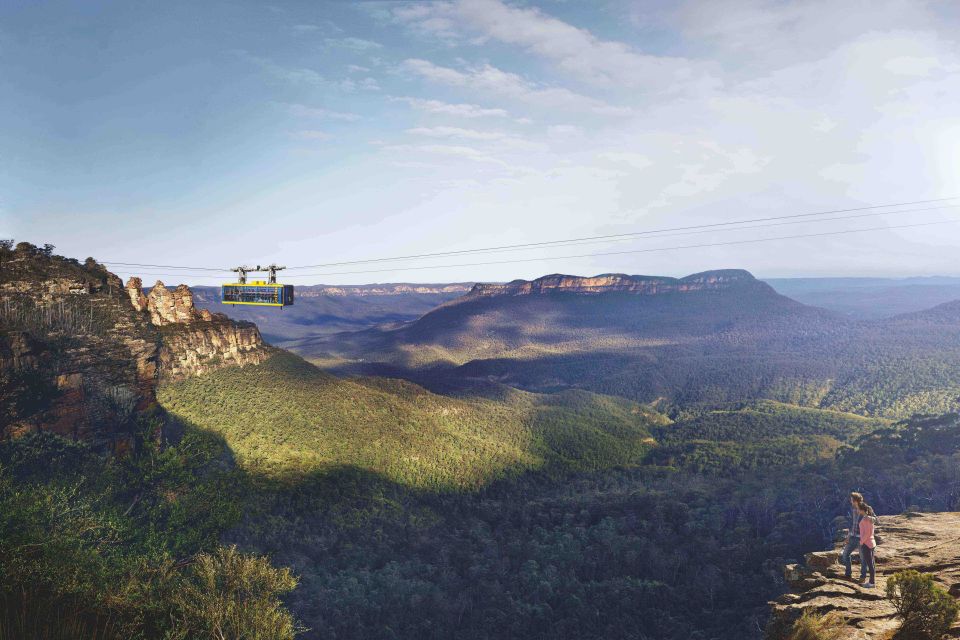
The Blue Mountains sit 90 minutes west of Sydney by train and run 5-8°C (9-14°F) cooler thanks to 1,000-metre (3,280-foot) elevation. January is canyoning prime time: guided descents through sandstone slots, waist-deep creek water, rappels down mossy rock, and that echo you get when both walls are within arm reach. Three Sisters lookout at Echo Point is packed by midday. Skip it. The Grand Canyon Track, a 6.3 km (3.9 mile) loop dropping into a fern-filled gorge where the air chills and light turns green, stays quiet and far more rewarding. Start by 8 AM. January heat pumps eucalyptus oil into the air, painting the Grose Valley hazy blue from Govetts Leap like a damp watercolour.
Booking Tip: Canyoning needs a guide. Book at least a week ahead in January. Confirm wetsuits are included. Canyon water stays cold even in summer. For solo bushwalking, trains leave Central Station for Katoomba hourly and take about two hours. See current Blue Mountains experiences in the booking section below.
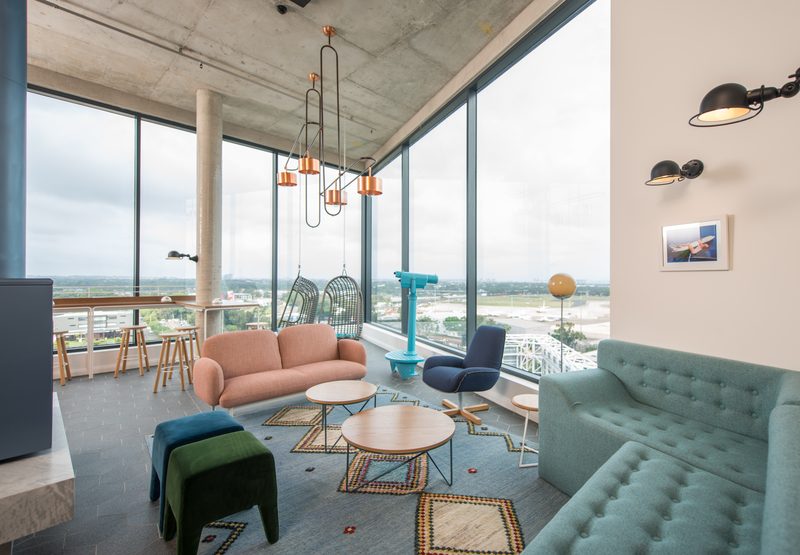
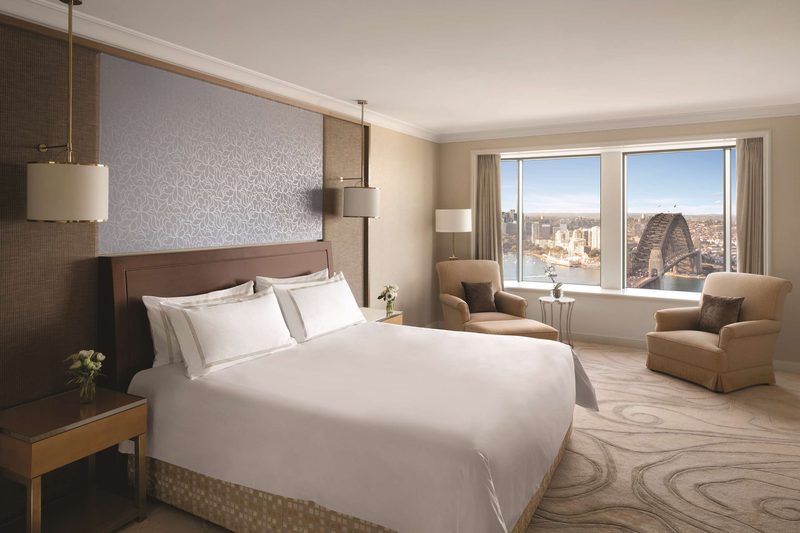
Where to Stay in Australia in January
Hand-picked hotels across price tiers for January travellers.
Public Holidays in January
Dates that affect opening hours, transport and crowds
New Year's Day
Observed nationwide as a public holiday.
Australia Day
Observed nationwide as a public holiday.
New Year's Day
Observed nationwide as a public holiday.
Australia Day
Observed nationwide as a public holiday.
Packing Checklist
Bookmark this page — your progress is saved between visits
Need the full list with shopping links?
Climate-specific gear, brand recommendations, and what to leave at home.
View Australia Packing List →Essential Tips
Insider knowledge and common pitfalls to avoid
Insider Knowledge
Use the coast-to-hinterland temperature trick. When Sydney, Brisbane, or the Gold Coast hits 38°C (100°F), drive thirty to sixty minutes inland and uphill to drop 8-10°C (14-18°F). Sydneysiders flee to the Blue Mountains, Gold Coasters head to Tamborine Mountain or Springbrook, Melburnians climb to the Dandenong Ranges. Follow them uphill for cool air, empty trails, and cafés without queues.
Never underestimate Australian distances. Sydney to Melbourne is 880 km (547 miles), about London to Edinburgh, and driving takes nine hours minimum. First-timers plot four-hour drives between lunch and dinner as if it were a minor detour. Domestic flights between capitals are frequent and, booked early, cheap by global standards. If the drive tops three hours, fly.
Dawn and dusk are your operating hours in January. Australians who live here do their beach time before 10 AM and after 4 PM, exercise at 6 AM, and treat the midday hours as indoor time. Tourist crowds thin dramatically after 2 PM at outdoor attractions because the heat drives people to air conditioning. Late afternoon at places like the Royal Botanic Garden in Sydney or the Twelve Apostles on the Great Ocean Road is quieter. The light is incomparably better for photographs. Worth it.
Melbourne's weather in January is bipolar. A forecast of 38°C (100°F) can drop to 22°C (72°F) within an hour when the southerly change blows in off Bass Strait. Locals joke about four seasons in one day with the weariness of people who mean it. Layer accordingly. Check the Bureau of Meteorology forecast (the BOM app, not international weather apps, which consistently get Melbourne wrong) before committing to an outdoor plan.
Avoid These Mistakes
Trying to see too much of Australia in one trip is a classic error. The country is the size of the contiguous United States. January first-timers who try to squeeze Sydney, Melbourne, the Great Barrier Reef, Uluru, and Perth into two weeks spend most of their holiday in airports and arrive everywhere exhausted. Pick two regions, three at most, and go deep rather than wide.
Ignoring the ocean. Australian beaches look postcard-safe but rip currents kill more tourists than sharks, crocodiles, and snakes combined. Always swim between the red and yellow flags at patrolled beaches. If you do not know what a rip current looks like, ask a lifeguard before you go in. The rips at Bondi, Manly, and the Sunshine Coast are powerful enough to pull strong swimmers 200 metres (660 feet) offshore in minutes.
Underestimating the sun because a breeze is blowing. January sea breezes along the coast feel cooling but do nothing to block UV radiation. Tourists from northern-hemisphere winters arrive with skin that has not seen serious sun in months and burn badly on day one, then spend the rest of the trip in pain. The damage happens fastest between 10 AM and 2 PM, even on overcast days, and even in the shade where reflected light off sand and water still burns. Pack sunscreen.
Ready to plan your trip to Australia?
Now that you've got the research covered, here's where to go next.
Book Experiences in Australia
Top-rated things to do in Australia this January



Explore More Activities in Australia
Didn't see anything interesting yet?
Browse Viator's full catalog of tours, day trips, food experiences, and private guides in Australia.
See All Australia Tours on Viator