
Things to Do in Australia in March
March weather, activities, events & insider tips
Shoulder Season · Good Value
March Weather in Australia
Temperature, rainfall and humidity at a glance
78°F (25°C)
High Temp
65°F (18°C)
Low Temp
4.6 inches (117 mm)
Rainfall
70%
Humidity
⚠ Tropical cyclone season remains active across northern and northeastern Australia through March. While most cyclones track offshore, those that approach populated areas can shut down airports, close roads, and trigger evacuations with limited notice. Monitor the Bureau of Meteorology warnings if traveling north of the Tropic of Capricorn, and ensure your travel insurance explicitly covers cyclone-related disruption. Check daily. Act fast.
⚠ Box jellyfish and Irukandji are present in tropical waters north of Bundaberg through March. Stinger nets protect designated beach areas, but open-water swimming in affected zones requires a full-body stinger suit. Reef tour operators provide suits. Do not enter the water without one. No exceptions. Suit up.
⚠ UV index reaches 8 or higher across most of Australia in March, which is classified as very high. Sunburn can occur in under fifteen minutes of unprotected exposure, even on overcast days. The southern ozone thinning intensifies UV beyond what travelers from equivalent northern latitudes expect. Slap on sunscreen. Reapply often.
Is March Right for You?
Weigh the advantages and considerations before booking
Advantages
- + Late Australian summer brings water temperatures around 26°C (79°F) along the east coast and the Coral Sea. You avoid the brutal December-January heat that turns inland cities like Alice Springs into 40°C (104°F) ovens. Sydney's harbour beaches, Bondi to Bronte, and the Gold Coast breaks need no wetsuit. Light lingers past 7pm. You can still eat dinner outdoors on a Darling Harbour wharf with the skyline turning copper above you.
- + School holidays finish in late January. Domestic tourist numbers drop sharply at every major draw. The Great Barrier Reef pontoons that carry 200 passengers in January run at half capacity. Uluru's sunset viewing area, where December visitors stand elbow-to-elbow on the red-dirt platform, thins out enough that you hear wind instead of phone shutters. Accommodation needing three-month-ahead booking in peak season often has same-week availability.
- + March is harvest season across Australia's wine regions. The timing is special. In the Barossa Valley north of Adelaide, Shiraz grapes come off the vine in air that smells like warm earth and fermenting fruit. Cellar doors that restrict tastings during peak tourist months open walk-in spots. Margaret River on Western Australia's southwest coast hits the same harvest window for Cabernet Sauvignon. The Indian Ocean breeze cuts inland warmth to a comfortable 25°C (77°F) by mid-afternoon.
- + Adelaide becomes Australia's cultural capital through March. The Adelaide Fringe spills live music, cabaret, comedy, and installation art from every laneway, rooftop bar, and converted warehouse in the city's compact West End. The festival is the largest open-access arts event in the Southern Hemisphere. The entire city reorganises around it. Melbourne follows with its own food and wine programming. For travelers wanting more than beaches, March is the month.
Considerations
- − Northern Australia stays deep in the tropical wet season through March. Darwin gets hammered with monsoonal downpours dumping 300 mm (11.8 inches) or more across the month. Roads into Kakadu and Litchfield flood regularly. Humidity sits above 80% from sunrise to past midnight. Cairns and the tropical Queensland coast fare marginally better but still see afternoon storms that cancel reef boat departures at short notice. For Top End trips, March is likely your worst option.
- − Box jellyfish and Irukandji remain present in tropical waters north of the Capricorn line. Swimming at beaches around Cairns, the Whitsundays, and anywhere above Bundaberg requires stinger suits or netted enclosures. The risk is real. Hospitals in Cairns treat stinger cases every wet season. Reef operators provide suits and restrict swimming areas. If your vision involves carefree open-water swimming in the tropics, adjust expectations or head south of Hervey Bay.
- − Cyclone season runs through March across northern and northeastern Australia. Most years, cyclones track offshore or hit sparse coastline. When one makes landfall near a tourist corridor, flights cancel, roads close, and resorts evacuate with little notice. Travel insurance covering cyclone disruption is essential for March travel to Queensland, the Northern Territory, or northern Western Australia. Near misses can generate swell that shuts down island ferries for days.
Best Activities in March
Top things to do during your visit
Great Barrier Reef Diving and Snorkeling from Cairns
March sits in a sweet spot for the outer reef. Water temperatures hold at 27-28°C (81-82°F), warm enough to stay in for an hour before chill sets in, even without a wetsuit. The summer plankton bloom fades. Visibility on the outer ribbon reefs climbs back toward 15-20 metres (50-65 ft). The coral spawning of late November is months past. The water column clears. Hard coral gardens at sites like Agincourt Reef look sharper than at Christmas. Afternoon storms roll through. Most reef boats depart Port Douglas or Cairns Marina by 8am and reach the reef by 10, well before weather builds. The catch is stinger season: reputable operators provide full-body lycra suits. Wear one. Crowds are thinner than the June-August dry season rush. Boats running three-stop itineraries spend time at each site instead of racing through. See current reef tours in the booking section below.
Booking Tip: Book reef day trips five to seven days ahead in March. Look for operators running boats to the outer reef rather than inner reef platforms. Outer sites have dramatically better visibility and coral cover. Confirm the operator provides stinger suits and has a marine biologist or reef guide on board, not just a deckhand. Morning departures are non-negotiable. Afternoon seas get rough after tropical storms build.
Sydney Harbour Kayaking and Coastal Walks
Sydney in March hits its stride. The brutal January humidity softens to something tolerable. Harbour water keeps enough summer warmth for comfortable paddling. Light turns golden earlier as autumn approaches. Kayak from Lavender Bay past Goat Island's sandstone cliffs. The Harbour Bridge fills the sky above you. The Opera House gleams white against blue water across the harbour. Postcards undersell this. Wind patterns in March calm down from late summer southerly busters. Harbour surface stays glassy through morning sessions. Pair this with the Bondi to Coogee coastal walk. This 6 km (3.7 mile) clifftop path drops sandstone straight into churning whitewater. Salt spray mixes with frangipani from gardens above. March foot traffic runs roughly half of December levels. Browse current harbour activities in the booking section below.
Booking Tip: Start morning kayak sessions before 9am. Flattest water. Best Opera House light. Book three to four days ahead. Choose operators launching from the lower north shore. Best angle on bridge and Opera House together. The Bondi to Coogee walk is free and unguided. Guided options add context. Most walkers miss the Aboriginal rock carvings at Marks Park.
Barossa Valley and Adelaide Hills Wine Touring
March means harvest in the Barossa. Visiting during vintage differs entirely from quiet months. Drive 60 km (37 miles) northeast from Adelaide. Air changes as you drop into the valley. Warm eucalyptus yields to yeasty, grape-skin sweetness. Fruit crushes and ferments in roadside sheds. Cellar doors relax from peak season appointment-only policies. Winemakers often pour themselves. They are on site for harvest. Barossa Shiraz vines, some over 150 years old and among the world's oldest, produce concentrated fruit. Taste this in barrel samples. Adelaide Hills sit twenty minutes closer to the city. They rise 400 m (1,312 ft) higher. Cooler temperatures grow crisp Sauvignon Blanc and Pinot Noir. Surprises people expecting only bold, heavy Australian wines. March Barossa afternoons hover around 28°C (82°F). Low humidity. Good for stone terrace sitting with something dark and peppery. Check current wine region tours in the booking section below.
Booking Tip: Book wine tours at least a week ahead in March. Harvest season draws tourists and industry visitors both. Small-group tours of eight or fewer work best. Actual conversation with winemakers beats conveyor-belt tasting. Seek itineraries including at least one heritage vineyard. Pre-phylloxera vines matter. Designate a driver. Or book transport-included tours. Barossa roads are narrow, winding, and policed.
Blue Mountains Bushwalking and Canyon Exploration
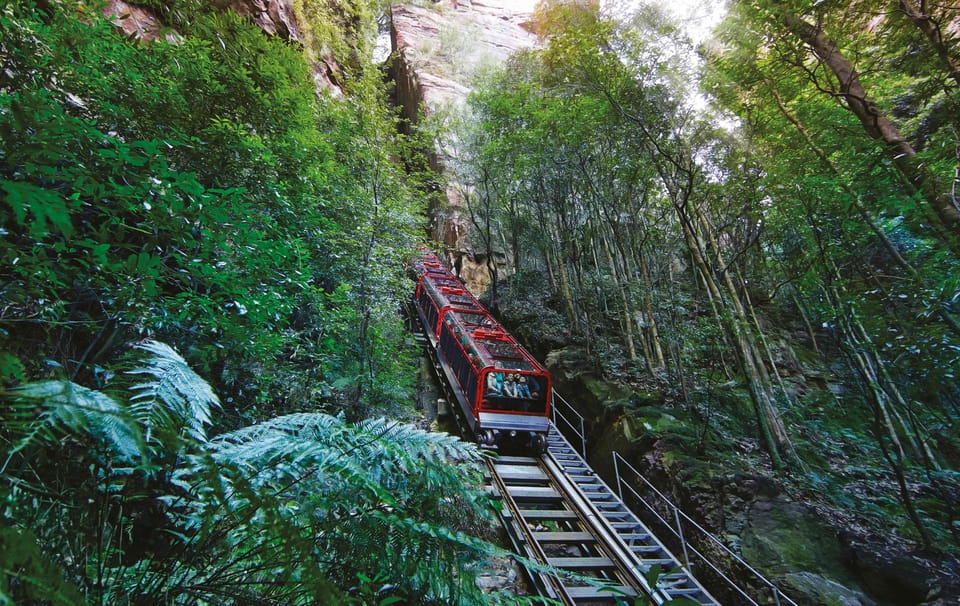
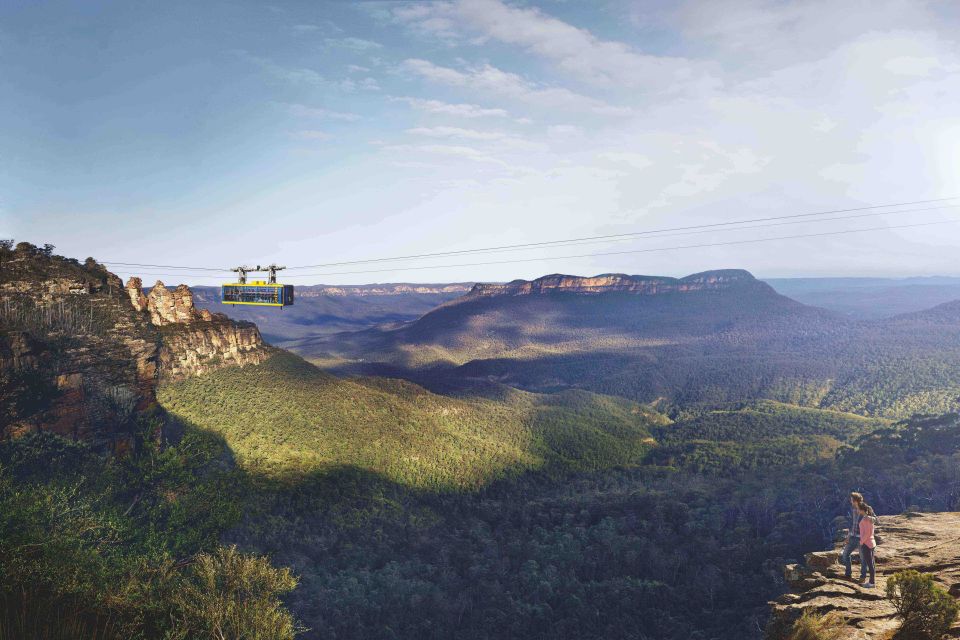
The Blue Mountains sit 90 km (56 miles) west of Sydney. They rise 1,000 m (3,280 ft) above sea level. Temperatures run about 5°C (9°F) cooler than the city below. March brings daytime temperatures around 20-22°C (68-72°F). Warm enough for comfortable hiking. Cool enough that steep Jamison Valley descents will not wreck you. Eucalyptus canopy releases volatile oils. These scatter blue light across the valley. Clear March mornings at Echo Point deliver dreamlike haze around the Three Sisters sandstone pillars. Photographs cannot quite capture this. The Grand Canyon Track near Blackheath loops 6.3 km (3.9 miles). It drops through fern-choked slot canyons. Air goes cold, damp, and mossy even on warm days. One of Australia's finest short walks. Sees a fraction of Scenic World tourist crowds a few kilometres east. March rainfall makes canyon track sandstone steps slippery. Worth it. Wentworth Falls area waterfalls run stronger. Overcliff-Undercliff circuit rewards wet-weather visitors. Cascades barely trickle in drier months. See current Blue Mountains day trips in the booking section below.
Booking Tip: Blue Mountains work as a Sydney day trip. Take the 6am train from Central Station. Arrive in Katoomba before tour buses at 10am. Book guided canyon walks three to four days ahead. Grand Canyon or Claustral Canyon routes require this. Wear proper hiking boots with ankle support. Trainers will not suffice. Sandstone canyon steps become treacherous when wet. Pack a fleece or light jacket. Canyon temperatures drop noticeably even on warm days.
Gold Coast Sunset Sailing and Surf Lessons
Gold Coast in March sheds Schoolies chaos and Christmas-New Year invasion. What remains: 57 km (35 miles) of sand. Consistent 1-1.5 m (3-5 ft) swell. Water at 25°C (77°F). Enough offshore morning wind to hold wave faces clean. Learn to surf at Currumbin Alley or Greenmount Beach. Points break gently for beginners. Rips stay manageable. Different proposition from battling Surfers Paradise shore dump. March Broadwater evenings turn the sky through apricot and violet. Reflect off water flat enough to sail a catamaran without spilling your drink. Salt air carries smoke from Burleigh Heads beach barbecues. Locals cook on free park grills. Pelicans line the breakwall like spectators. Humidity sits around 70%. Present but not oppressive. Drops as sea breeze picks up mid-afternoon. Browse current Gold Coast water activities in the booking section below.
Booking Tip: Surf lesson groups smaller than six students per instructor make the difference between standing up on your first session and spending an hour getting tumbled. Book two to three days ahead. For sunset sailing, the Broadwater departures are calmer than open-ocean options if you are prone to seasickness. Late afternoon departures around 4:30pm catch the best light in March as the sun sets earlier than midsummer.
Margaret River Coastal and Wildlife Encounters
Margaret River's stretch of Western Australia's southwest coast is three hours south of Perth and feels like a different country: towering karri forests that block the sky, limestone caves where the air is a constant cool 17°C (63°F) regardless of what is happening above ground, and a coastline where the Indian Ocean hits granite headlands with enough force to send spray 10 m (33 ft) into the air. March marks the tail end of whale shark season at nearby Ningaloo. But locally it is about the terrestrial wildlife: kangaroos graze the fairways of the Leeuwin Estate vineyard at dusk in numbers that would shut down a golf course anywhere else, and wild dolphins surf the breaks at Prevelly Beach close enough to shore that you can watch from the sand. The region's caves, Mammoth Cave and Lake Cave with its suspended limestone table, offer a cool escape on the occasional warm afternoon. The bush around the caves smells of peppermint gum and damp leaf litter after a March shower, and the birdlife, including the western ringneck parrot with its absurd green-and-yellow plumage, is at its most active in the transitional season. Check current Margaret River experiences in the booking section below.
Booking Tip: Margaret River is best explored with your own vehicle. Distances between caves, beaches, and cellar doors are 20-40 km (12-25 miles) apart and public transport is minimal. Book cave tours a few days ahead, Lake Cave, which restricts group sizes. Wildlife encounters at dusk do not require a tour: drive slowly on Caves Road between Prevelly and Augusta after 5pm and you will see kangaroos without paying anyone.
Where to Stay in Australia in March
Hand-picked hotels across price tiers for March travellers.
Public Holidays in March
Dates that affect opening hours, transport and crowds
Labour Day
A public holiday in these regions only: AU-WA.
Adelaide Cup Day
A public holiday in these regions only: AU-SA.
Eight Hours Day
A public holiday in these regions only: AU-TAS.
Labour Day
A public holiday in these regions only: AU-VIC.
Good Friday
Observed nationwide as a public holiday.
Easter Eve
Known in English as Holy Saturday. A public holiday in these regions only: AU-ACT, AU-NSW, AU-NT, AU-QLD, AU-SA, AU-VIC.
Easter Sunday
A public holiday in these regions only: AU-ACT, AU-NSW, AU-NT, AU-QLD, AU-SA, AU-VIC, AU-WA.
Easter Monday
Observed nationwide as a public holiday.
Labour Day
A public holiday in these regions only: AU-WA.
Adelaide Cup Day
A public holiday in these regions only: AU-SA.
Eight Hours Day
A public holiday in these regions only: AU-TAS.
Labour Day
A public holiday in these regions only: AU-VIC.
Packing Checklist
Bookmark this page — your progress is saved between visits
Need the full list with shopping links?
Climate-specific gear, brand recommendations, and what to leave at home.
View Australia Packing List →Essential Tips
Insider knowledge and common pitfalls to avoid
Insider Knowledge
March is when Australians themselves hit the road. Summer crowds are gone, school is back, and the folk at Barossa cellar doors, on reef boats, hiking coastal tracks are locals on long weekends, not tour groups. Chat comes easier, service calmer, tips real. Ask your barista, bartender, kayak guide where they eat. In March they have time to answer.
The Adelaide Fringe is not a side dish you squeeze between museums. It is the main course. First-timers who schedule two days for churches plus one Fringe show have it backwards. Plan your Adelaide days around the Fringe programme and let the rest slot in. Free outdoor hubs in Gluttony and the Garden of Unearthly Delights buzz afternoon to late night and serve as the city's living room for the month.
Melbourne's laneways and arcades, the ones splashed across guidebooks, shine brighter in March than in winter. Baristas pull espresso with roller doors open onto Degraves Street. Roasting beans mingle with damp bluestone, and natural light in the arcades turns warm and directional, something flat winter light cannot match. Centre Place, Hardware Lane, and the alleys off Flinders Lane reward slow strolling late afternoon when sun slants in from the west. Skip weekend mornings at the famous spots. Hit Tuesday at 3pm.
Fly into one city and out of another. Australia's domestic airfares between east coast capitals stay competitive in March, and a Sydney-to-Melbourne or Melbourne-to-Adelaide one-way ticket kills backtracking and lets you stitch together the southeast corridor. The Great Ocean Road from Melbourne to the Twelve Apostles works as a two-day drive toward Adelaide, not a return day trip, and the coastal scenery between Port Campbell and Warrnambool, where limestone stacks stand in surf that rumbles like distant thunder, justifies the slower route.
Avoid These Mistakes
Trying to cram all of Australia into one trip and spending half your life in airports. The country equals the contiguous United States in size, and Sydney to Perth is a five-hour flight. First-timers who book Sydney, the reef, Uluru, Melbourne inside ten days remember airport lounges better than landscapes. Pick two regions, three max if you have two full weeks, and go deep. March rewards slow travel because the weather plays nice for long outdoor days across the southern half of the country.
Swimming at unpatrolled beaches or outside the flags. Australian surf is not gentle: rip currents sprint faster than competitive swimmers can outrace, and they hide in plain sight. In March the swell stays consistent enough that rips form reliably at most surf beaches. Stay between the red and yellow flags where volunteer lifesavers watch. If surf intimidates you, stick to harbour beaches or rock pools. Australians learn to read water as kids. Visitors have not, and every season records preventable drownings.
Underestimating the sun because the air feels mild. March at 25°C (77°F) with a sea breeze feels like a gentle European summer, so Northern Hemisphere visitors drop their guard, linking sunburn to heat. UV index at 8 fries skin in under fifteen minutes, and the breeze masks the sting until the damage is done. Australians slather sunscreen before leaving the house. Copy the habit on day one, not after your first scarlet lesson.
Ready to plan your trip to Australia?
Now that you've got the research covered, here's where to go next.
Book Experiences in Australia
Top-rated things to do in Australia this March



Explore More Activities in Australia
Didn't see anything interesting yet?
Browse Viator's full catalog of tours, day trips, food experiences, and private guides in Australia.
See All Australia Tours on Viator