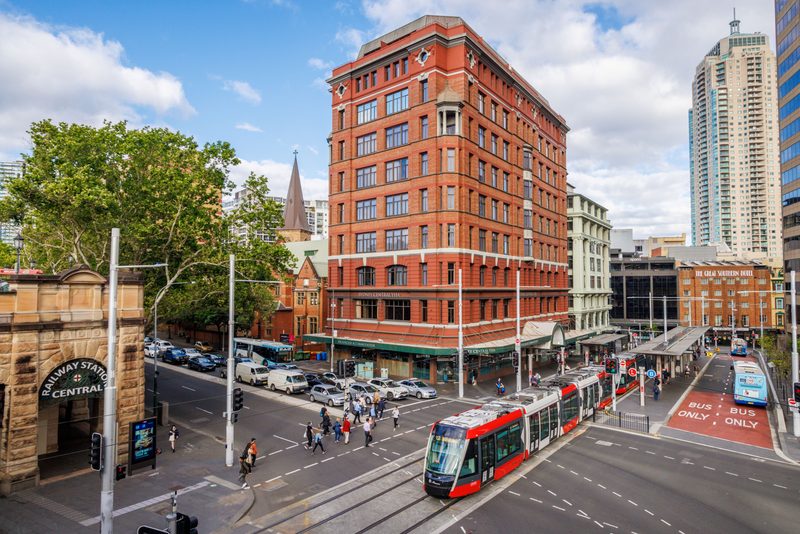

Things to Do in Australia in November
November weather, activities, events & insider tips
Shoulder Season · Good Value
November Weather in Australia
Temperature, rainfall and humidity at a glance
75°F (24°C)
High Temp
61°F (16°C)
Low Temp
3.6 inches (91 mm)
Rainfall
70%
Humidity
⚠ Box jellyfish (Chironex fleckeri) and Irukandji season begins in tropical waters north of Bundaberg, Queensland, and across the Northern Territory coast. Stings from these species are medically serious and potentially fatal. Swim only within stinger nets where available, wear a full lycra stinger suit for any open water activity, and heed all local signage. This is not overcautious advice. It is the standard local practice.
⚠ UV index reaches 8 to 11 across most of the continent in November, classified as 'very high' to 'extreme' by the Bureau of Meteorology. Sunburn can occur in as little as ten to fifteen minutes of unprotected exposure, even on overcast days. Reapply SPF 50+ every two hours and after swimming.
⚠ Bushfire risk increases through November in southeastern Australia, in Victoria, New South Wales, and South Australia. Check the Bureau of Meteorology fire danger ratings and local CFA or RFS alerts before any bushwalking or regional driving. Total fire ban days prohibit all open fires and can affect campground access and some hiking trails.
⚠ The tropical Top End (Darwin, Kakadu, Katherine) enters its 'build-up' season with afternoon thunderstorms that can produce dangerous lightning, flash flooding on unsealed roads, and localised wind gusts. Some unsealed roads in Kakadu National Park begin closing for the wet season in November. Check road conditions with the NT Government before driving remote routes.
Is November Right for You?
Weigh the advantages and considerations before booking
Advantages
- + Spring shoulder season nails the sweet spot between winter's chill and January's furnace blast. Melbourne and Sydney hover around 24°C (75°F) by day, warm enough for beaches and outdoor dining without the oppressive heat that empties parks at noon in high summer. Blue Mountains dawns start cool, 12°C (54°F), then climb to a dry 22°C (72°F) by midday. Close to perfect bushwalking weather.
- + The Great Barrier Reef scores a genuine weather window. Water off Cairns and Port Douglas hits 27-28°C (81-82°F), visibility often tops 15 m (49 ft) on calm days, and the wet season's monsoonal dumps haven't arrived yet. Coral spawning, one of the ocean's more surreal spectacles, usually lands in late November after a full moon, turning night dives into an underwater snowstorm of reproductive material. Operators know the timing within a few days.
- + Accommodation pricing sits well below the December-January peak. Christmas holidays haven't triggered their increase yet, and outside Melbourne Cup week and Schoolies corridors on the Gold Coast, you're booking at shoulder-season rates. Sydney hotels that turn eye-wateringly expensive over New Year's are still negotiable in November, and domestic flights between capital cities have better midweek availability than any month from December through March.
- + Jacaranda season paints Sydney's inner suburbs and Brisbane's older neighbourhoods purple. Kirribilli, Paddington, and the streets around the University of Queensland campus in St Lucia become carpeted in fallen blossoms from mid-October through November. The colour against Sydney's sandstone terraces or Brisbane's timber Queenslanders is one of those seasonal details photographs never quite capture. The petals bruise underfoot and release a faintly sweet, almost honeyed scent in the warm air.
Considerations
- − Box jellyfish season opens across tropical Queensland and the Northern Territory from roughly November onward. These are not a minor nuisance. An Irukandji sting can hospitalise you. Swimming north of Bundaberg without a stinger suit is inadvisable, and many beaches between Cairns and Darwin set up stinger nets that protect only a small rectangle of shoreline. Carefree open-water swimming is effectively limited to southern Australia for the month.
- − UV intensity reaches index 8 and climbs toward extreme on clear days, in Queensland and Western Australia. The ozone layer over Australia is thinner than at equivalent latitudes in the Northern Hemisphere, and the November sun angle means you can burn in under fifteen minutes of unprotected exposure. Locals know this instinctively. Visitors from northern Europe or the Pacific Northwest routinely underestimate it and spend their second day lobster-red and miserable.
- − Schoolies Week, typically the last week of November into early December, turns the Gold Coast's Surfers Paradise strip into a concentrated zone of newly graduated eighteen-year-olds celebrating with the intensity you'd expect. If your idea of a holiday doesn't include bass-heavy music at 2 AM and crowds of teenagers on the Esplanade, steer well clear of Surfers Paradise and Broadbeach during this window. The southern Gold Coast, Burleigh Heads down to Coolangatta, stays calmer. But the spillover is real.
Best Activities in November
Top things to do during your visit
November in Australia carries the unmistakable charge of a continent tilting toward summer. In Sydney, jacaranda trees erupt in violet canopies along suburban streets. Their fallen petals carpet footpaths in bruised purple that stains shoe soles. Daytime temperatures climb to around 24 degrees Celsius. Warm enough for shirtsleeves. Without the punishing humidity that descends in January and February. Evenings cool to a pleasant sixteen degrees, the kind of air that makes outdoor dining comfortable without a jacket. Roughly ten days of the month bring rain, often in sharp afternoon bursts that roll through and leave the eucalyptus-scented air smelling clean and resinous. The ocean, still shaking off winter, sits at temperatures that reward the brave rather than the leisurely. By month's end the water along the New South Wales coast has warmed enough to draw the first serious crowds to Bondi and Manly. What makes November distinct from the peak summer months of December through February is the absence of school holiday congestion. Australian families are still locked into the final weeks of the school year. National parks, coastal walks, and wildlife sanctuaries operate at a fraction of their holiday capacity. The Blue Mountains west of Sydney, choked with day-trippers in January, feel almost meditative in November. The eucalyptus haze that gives them their name hangs in cool blue sheets across the Jamison Valley. Down in South Australia, the vineyards of McLaren Vale are deep into the growing season. The vines hang heavy with unripe fruit. Cellar doors welcome visitors without the queues that form during the March vintage crush. Australia in November rewards the traveler who prefers elbow room to spectacle. It offers the same landscapes and wildlife encounters that define the country's appeal, wrapped in a quieter, less transactional atmosphere. The light itself shifts in November. Sunrise creeps earlier each week. By late afternoon the sun hangs at a low angle that turns sandstone cliffs golden and sets harbour water glittering in hard silver lines. For photographers and anyone who simply pays attention to how a place looks, this quality of light across Australia's eastern seaboard is reason enough to time a visit to this shoulder month.
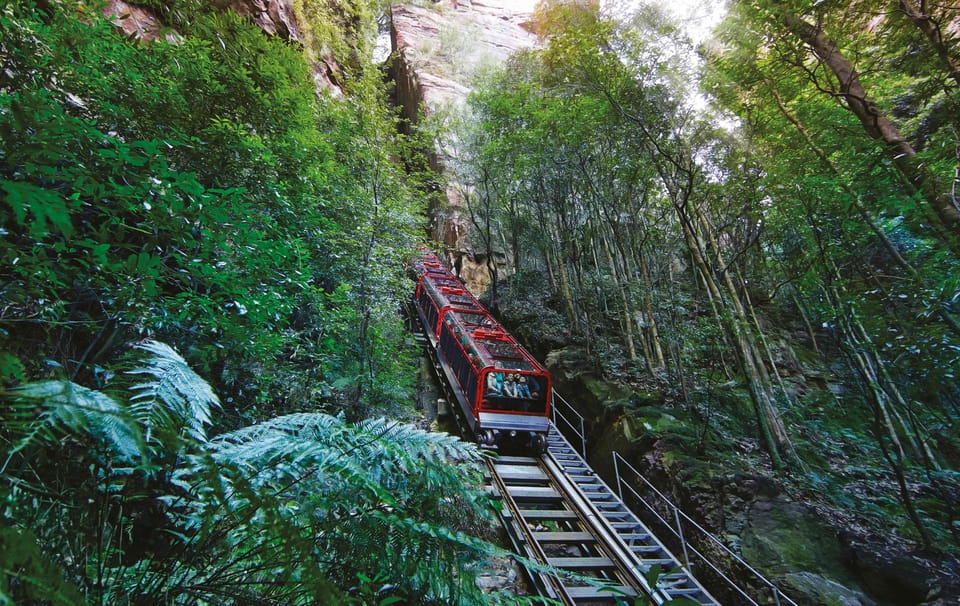
Blue Mountains Adventure: Scenic World, Zoo & Koala Photo
otherThis full-day outing hauls you west of Sydney into the eucalyptus-thick folds of the Blue Mountains. The air tastes cool and faintly medicinal even as November warmth builds across the coastal plain. At Scenic World, the glass-floored Skyway gondola swings you over the Jamison Valley. Nothing sits between your feet and the canopy three hundred metres below. The smell of oil-rich eucalyptus rises on thermals. The day pairs that geological drama with close encounters at a wildlife park. You can stand beside a koala for a photograph. Watch the animal's slow, deliberate grip on its branch. Its coarse grey fur feels surprisingly thick under the fingers.
It compresses the Blue Mountains' signature experiences, from cliff-edge vertigo to native wildlife, into a single guided day that removes the logistical friction of doing it yourself.
Insider tip: Request a window seat on the left side of the coach heading west for unobstructed views of the Nepean Gorge as you climb out of the Sydney basin.
This month: November temperatures in the Blue Mountains sit several degrees below Sydney's, hovering around 18 to 20 degrees at elevation, making the walking tracks comfortable rather than sweltering compared to a summer visit.

Kayak to Goat Island in Sydney Harbour with Local
adventureYou launch from a quiet harbour shore. Paddle through water that catches the late-spring sun in shifting planes of green and silver. Weave between moored yachts whose halyards clink in the breeze. Goat Island, a sandstone-rimmed outcrop most Sydneysiders have never set foot on, holds convict-era gunpowder magazines and quarantine buildings. Their crumbling walls still smell faintly of damp lime mortar. Your guide, a local who knows the harbour's tidal quirks and history in equal measure, narrates the island's grim past. You drift in water calm enough to hear fish break the surface.
It puts you on the harbour at water level, a perspective that makes the Opera House and Harbour Bridge feel like entirely different structures from the tourist-deck views, and delivers you to an island most visitors never reach.
Insider tip: Wear a hat with a chin strap rather than a cap. The wind funnels between the headlands and will take a loose hat into the harbour before you can react.
This month: November's water temperature in Sydney Harbour is still cool enough that spray from the paddle blade feels bracing rather than refreshing, so a light synthetic layer under your life vest keeps the chill manageable.
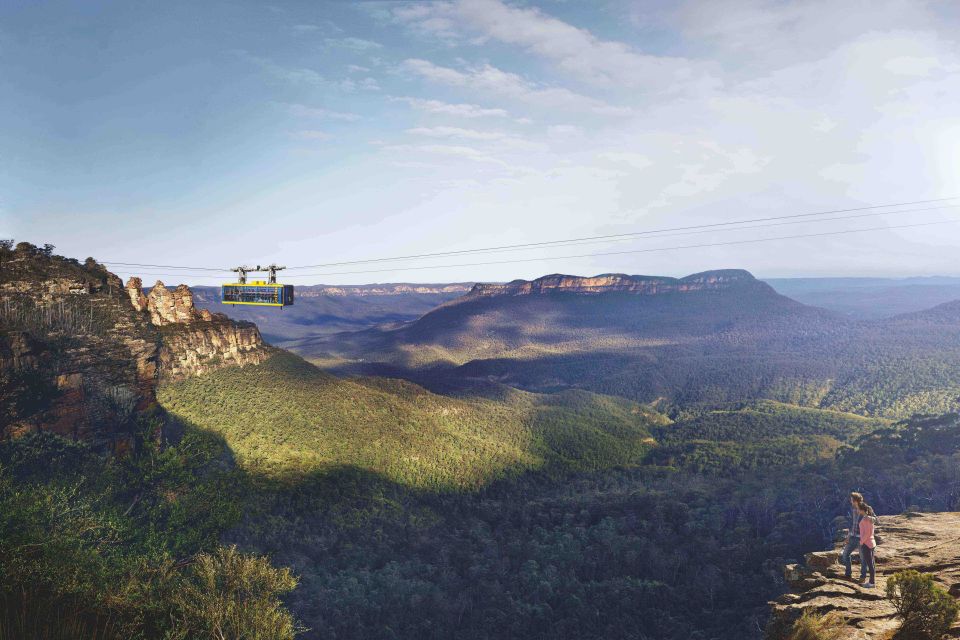
Blue Mountains, Scenic World, Zoo, & Ferry Ride
otherThis variant of the Blue Mountains day trip adds a return leg by ferry along the Parramatta River. It transforms what could be a drowsy coach ride back into a slow, salt-aired glide through Sydney's inner harbour. The Blue Mountains portion follows the same high points. The Scenic Railway plunges at a fifty-two-degree incline through a tunnel cut from coal-mine shafts. The damp rock walls sit close enough to touch. They smell of wet sandstone. At the wildlife park, kangaroos approach with the casual confidence of animals accustomed to hand-feeding. Their coarse paws feel surprisingly warm against your palm.
The ferry return reframes the entire day, replacing highway monotony with a waterborne transit that reveals how Sydney's harbour suburbs stack their terracotta roofs up hillsides like an amphitheatre facing the water.
Insider tip: Sit on the upper open deck of the ferry for the final stretch past Cockatoo Island, where the rusting industrial cranes and dry docks are dramatically lit by late-afternoon sun dropping behind the western suburbs.

Flying Fox Experience, Thousands of Australia's Largest Bat
guided_experienceAt dusk along a riverbank in subtropical Australia, the sky darkens not with cloud but with wings. Thousands of grey-headed flying foxes detach from their daytime roost in a slow, deliberate exodus. Their wingspan reaches a metre across. Close enough overhead that you hear the leathery snap of each downstroke. You catch the sharp, musky scent of the colony. A specialist guide uses red-filtered torches to illuminate the roost without disturbing it. They point out mothers cradling pups and the territorial squabbles that erupt along overcrowded branches. The animals' high-pitched bickering carries clearly through the humid evening air.
Few wildlife encounters in Australia match the sheer sensory overwhelm of standing beneath a colony of flying foxes at departure time, a spectacle that is simultaneously unsettling and magnificent.
Insider tip: Bring a dark-coloured poncho or old shirt you do not mind discarding. The colony roosts directly overhead, and guano is an inevitability, not a risk.
This month: November falls within the flying fox breeding season, which means pups are visible clinging to their mothers in the roost, adding a dimension to the experience that is absent during the cooler months when the colony is smaller and less active.

Private Wine Tours McLaren Vale or Adelaide Hills
foodSouth Australia's two premier wine regions sit within an hour of Adelaide. They could not taste more different. McLaren Vale, where the warm breath of Gulf St Vincent drifts across sloping vineyards, produces shiraz with a dense, chocolate-edged weight that coats the palate. The Adelaide Hills, cooler and greener, sends you along winding roads through gum-tree corridors. The air smells of damp bark and wild fennel. Its sauvignon blanc and pinot noir arrive with a crispness that reflects the altitude. A private tour means your driver adjusts the itinerary to your preferences. That might mean a deep focus on small-batch producers whose cellar doors seat six people. Or a broader sweep through the region's larger estates with their large tasting rooms.
A private format lets you linger at the producers that excite you and skip the ones that do not, a flexibility that group bus tours, locked to a schedule and a commission arrangement, cannot offer.
Insider tip: Ask your guide to include a stop at a McLaren Vale olive oil producer. The region's oil is pressed from fruit harvested only weeks before your visit, and tasting freshly pressed oil alongside the wines sharpens your palate for both.
This month: November in McLaren Vale is the heart of the growing season, and the vines are in full canopy with fruit set visible on the lower cordons. Winemakers are attentive and available before the demanding harvest period that begins in late January, making this a good month for unhurried cellar-door conversations.

Blue Mountains Private Tour with Kangaroo and Koala Experience
private_tourA private vehicle changes the geometry of a Blue Mountains day entirely. Instead of following a coach itinerary timed to parking-lot capacity, your guide threads you into quieter lookouts along the Cliff Drive. The Three Sisters formation appears without a single railing-clutching crowd between you and the drop. The eucalyptus canopy throws dappled shade across walking tracks that smell of leaf litter and honey. The air feels noticeably cooler and thinner than the Sydney basin you left ninety minutes ago. At the wildlife sanctuary, the kangaroo enclosure allows walk-through access. In the calm of a private visit you can crouch to eye level with a resting eastern grey. Close enough to see the individual whiskers twitching on its muzzle. Feel the surprising warmth radiating from its fur.
The private format eliminates the compromise of group tours, letting you spend forty minutes at a lookout that deserves it and skip the souvenir complex that does not.
Insider tip: Ask your guide to take the Bells Line of Road approach rather than the Great Western Highway if conditions allow. The route passes through orchards and smaller towns with far less truck traffic, and the descent into the Grose Valley offers views that the main highway never reveals.
This month: November's spring wildflowers are still in bloom along the higher-altitude tracks of the Blue Mountains, the waratah and flannel flower, adding colour to bushwalks that in summer are dominated by uniform green canopy.
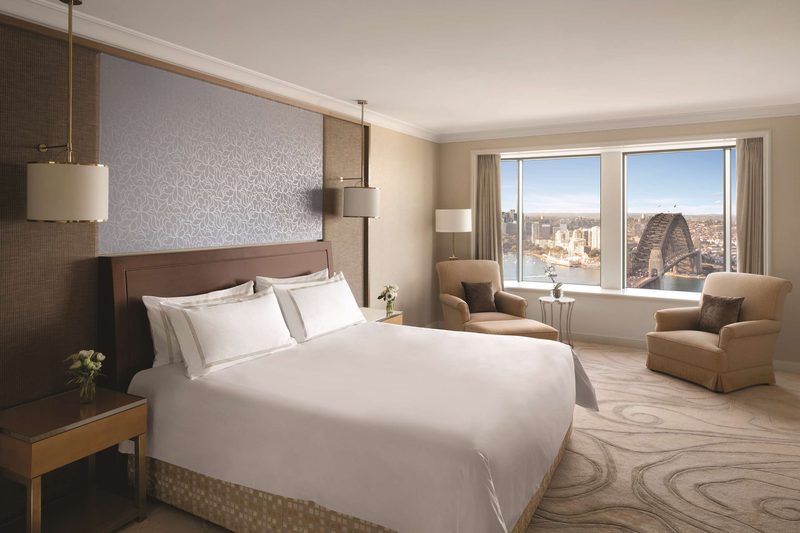
Where to Stay in Australia in November
Hand-picked hotels across price tiers for November travellers.
Public Holidays in November
Dates that affect opening hours, transport and crowds
Melbourne Cup
A public holiday in these regions only: AU-VIC.
Melbourne Cup
A public holiday in these regions only: AU-VIC.
Melbourne Cup
A public holiday in these regions only: AU-VIC.
Packing Checklist
Bookmark this page — your progress is saved between visits
Need the full list with shopping links?
Climate-specific gear, brand recommendations, and what to leave at home.
View Australia Packing List →Essential Tips
Insider knowledge and common pitfalls to avoid
Insider Knowledge
Australians dine early. Expect tables between 6 and 7:30 PM, not the Spanish midnight. Melbourne and Sydney restaurants that seat at 8:30 PM are the rare ones, and outside the capitals last orders at 9 PM are standard. Miss this and you eat chips from a mini-bar. The payoff is breakfast. The flat white was perfected in Melbourne, and the cafe circuit from Fitzroy to Surry Hills to Fremantle treats the morning like a religion. Worth the alarm.
November is when the smart money locks in December and January. Coastal towns like Byron Bay, Noosa, and Lorne spike after November, and Great Ocean Road cabins plus Whitsunday liveaboards vanish. Book in November for December and you will pay less than the procrastinators. Simple math.
Australian surf looks gentle. It is not. Rip currents kill every year, and November's warmer water lures rookies into trouble. Swim between the red and yellow flags, full stop. Lifeguards patrol those strips only. Bondi, Manly, most Gold Coast beaches are covered. Regional strips often are not. Empty water means danger. Skip the heroics.
Melbourne Cup Tuesday is a public holiday in Victoria, and many locals also grab Monday. Flights between Melbourne and Sydney jump, and the Great Ocean Road clogs with city escapers. Skip the races and you get a quieter Melbourne. Smart trade.
Avoid These Mistakes
Australia is continental. Driving Sydney to Melbourne takes nine hours, not the map's implied hop. Visitors who script Sydney, Uluru, Reef, and Melbourne inside seven days spend half the trip in terminals. Choose two regions, not four. Domestic flights work. But each transit devours half a day. Accept it.
European sun is polite. Australian UV is not. November readings hit 8, double midsummer London. Brits and Scandinavians burn on day one because they cream once and forget. Australians live by Slip Slop Slap. Melanoma rates prove why. Reapply every two hours. No debate.
One suitcase does not fit all. Sydney might be 24°C and springy while Darwin roasts at 33°C with 90% humidity and afternoon storms. Tasmania could be 16°C and brisk. Pack for zones or buy overpriced hoodies at the airport. Plan ahead.
Ready to plan your trip to Australia?
Now that you've got the research covered, here's where to go next.
Explore More Activities in Australia
Didn't see anything interesting yet?
Browse Viator's full catalog of tours, day trips, food experiences, and private guides in Australia.
See All Australia Tours on Viator